melodrama 006
la collectionneuse by éric rohmer
Welcome back to Melodrama, a loosely defined film club.
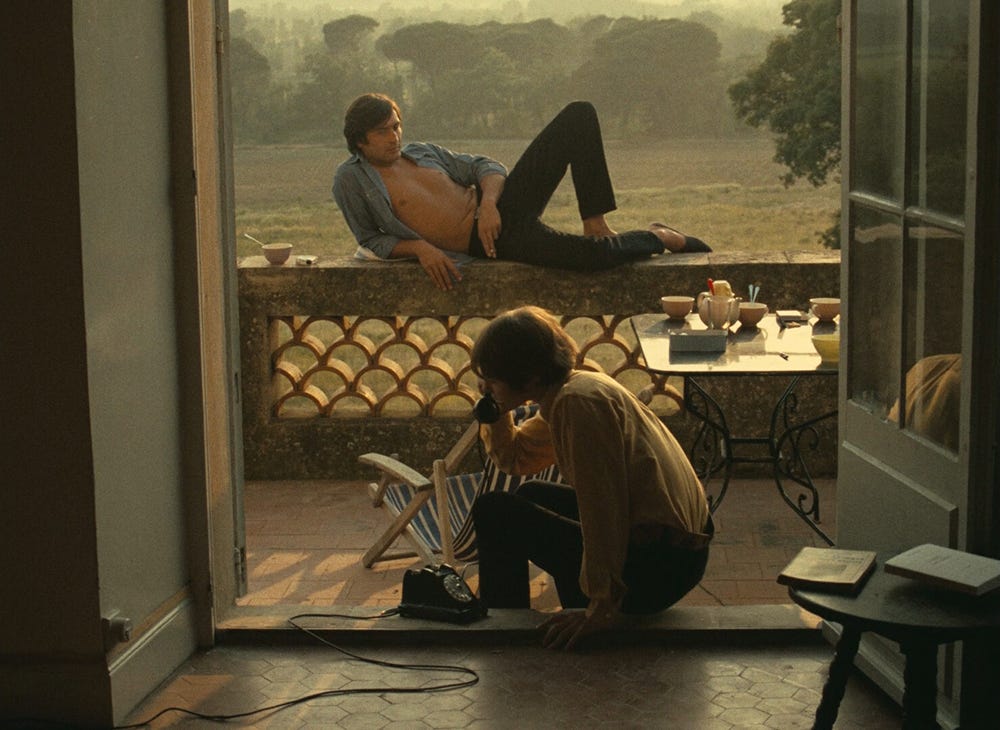
Today’s film is La Collectionneuse (1967), the third installment in Éric Rohmer’s Six Moral Tales. Set over one languid summer on the French Riviera, the film follows Adrien, an aspiring art dealer who retreats to a villa in pursuit of absolute leisure. His curated idleness is interrupted by Haydée, whose existence becomes the subject of endless fascination, judgment, and projection.
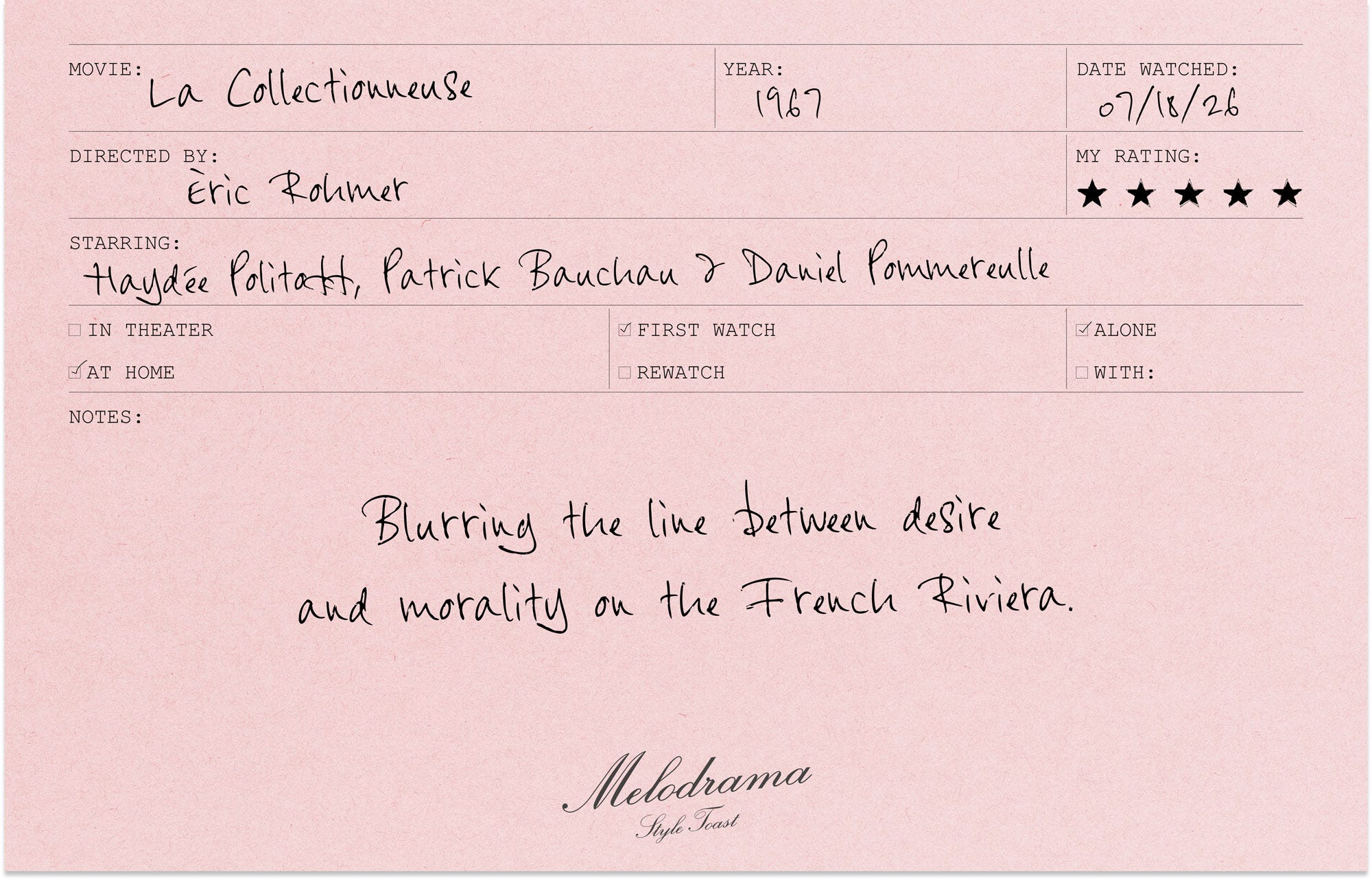
Here is my review and rating card. If you’re so inclined, you can download and fill out your own and share it in the Style Toast chat, on Substack, Twitter, or Instagram. I hope you enjoy. Break a leg.
Spoilers ahead. Read after watching.
Theme
La Collectionneuse is a film about a love triangle between bohemian layabouts. Two pseudo-intellectual men spend their summer observing a free-spirited young woman, projecting onto her everything they refuse to confront in themselves. Their vanity, highbrow hypocrisy, and illusion of self-control are challenged by her presence, disturbing both the carefully constructed peace of their vacation and their boyhood fantasies.
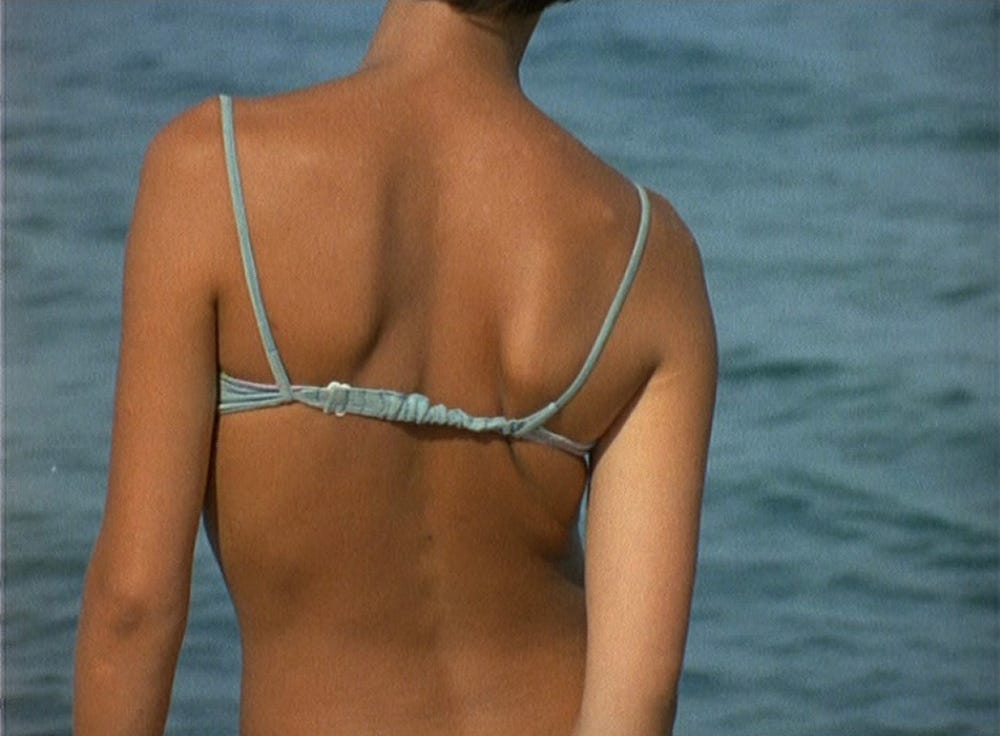
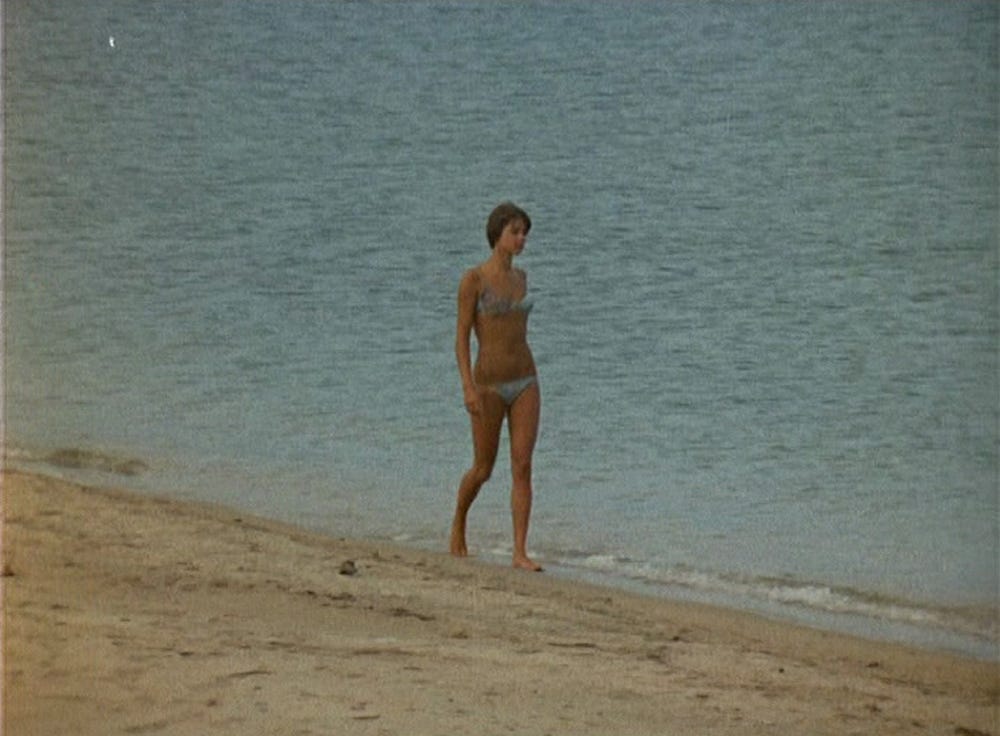
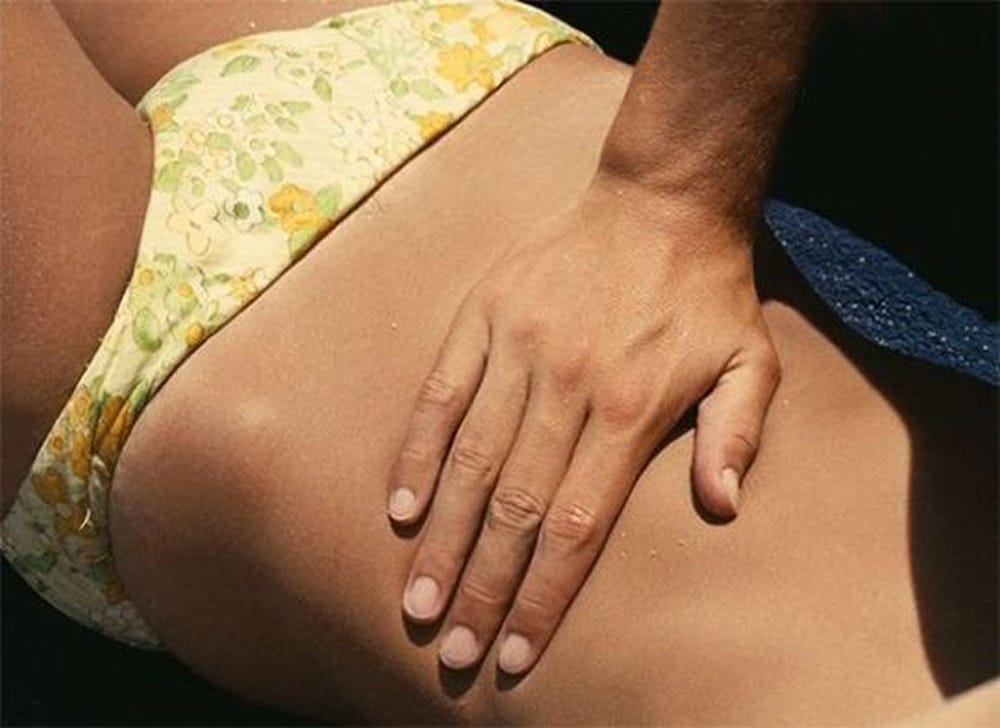
The film opens with one of the most recognizable sequences in French cinema: Haydée's prologue. Rohmer introduces her through fragments. Salt drying on her tanned skin, the shine of her collarbone, water dripping from her legs, her turquoise bikini against the Mediterranean.
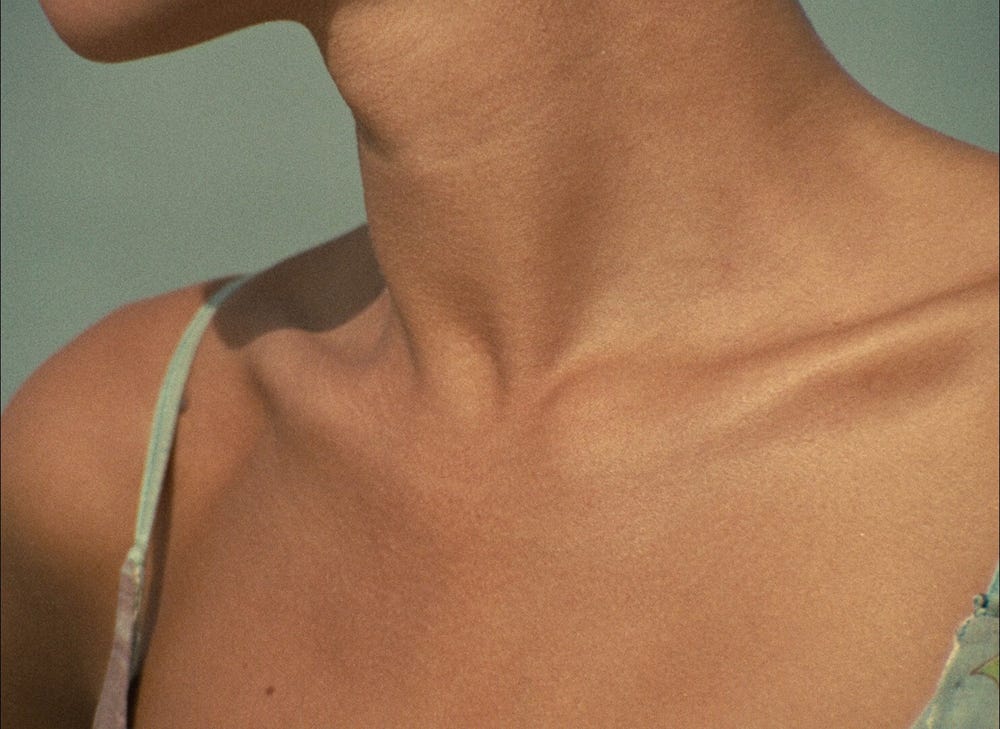
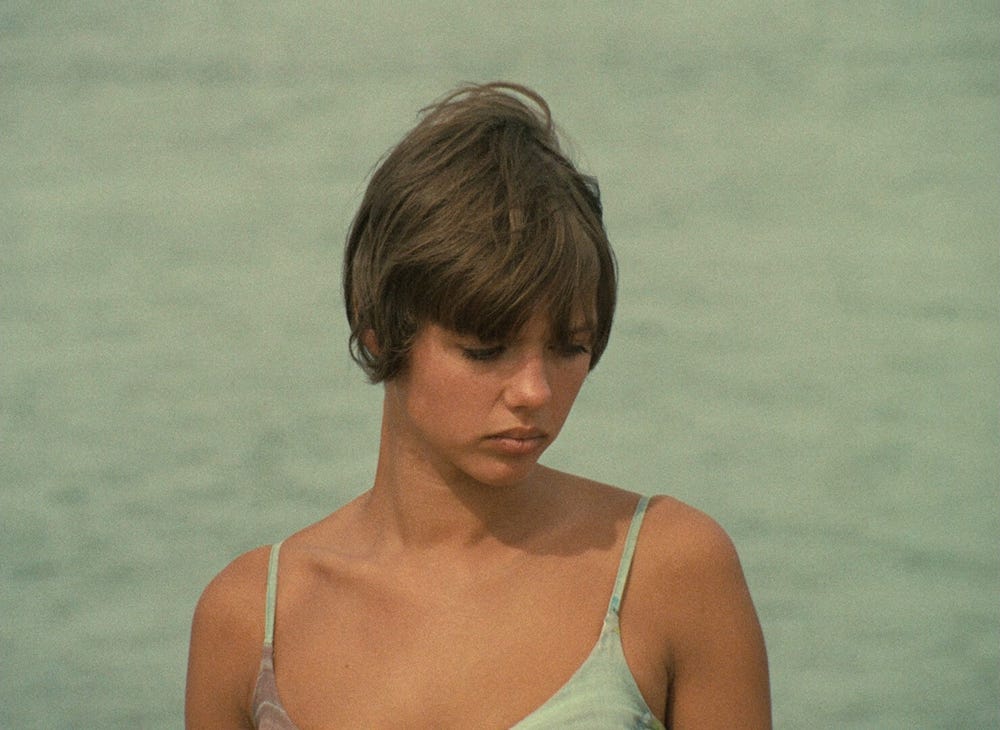
We learn almost nothing about Haydée except that she is beautiful. We meet her the same way Adrien and Daniel do: becoming voyeurs alongside them.
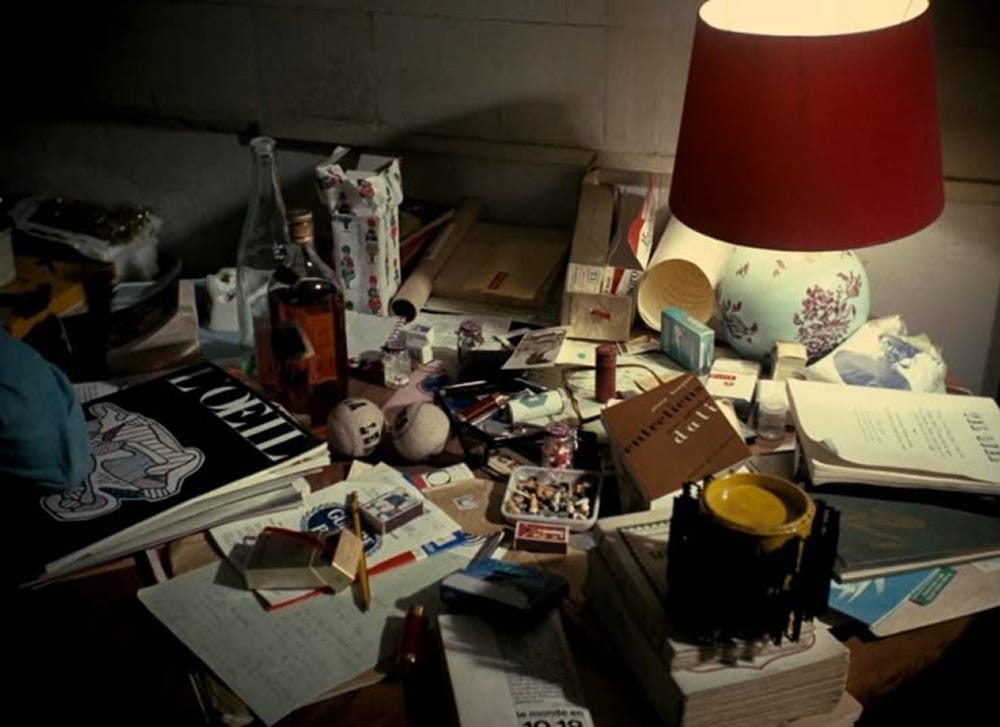
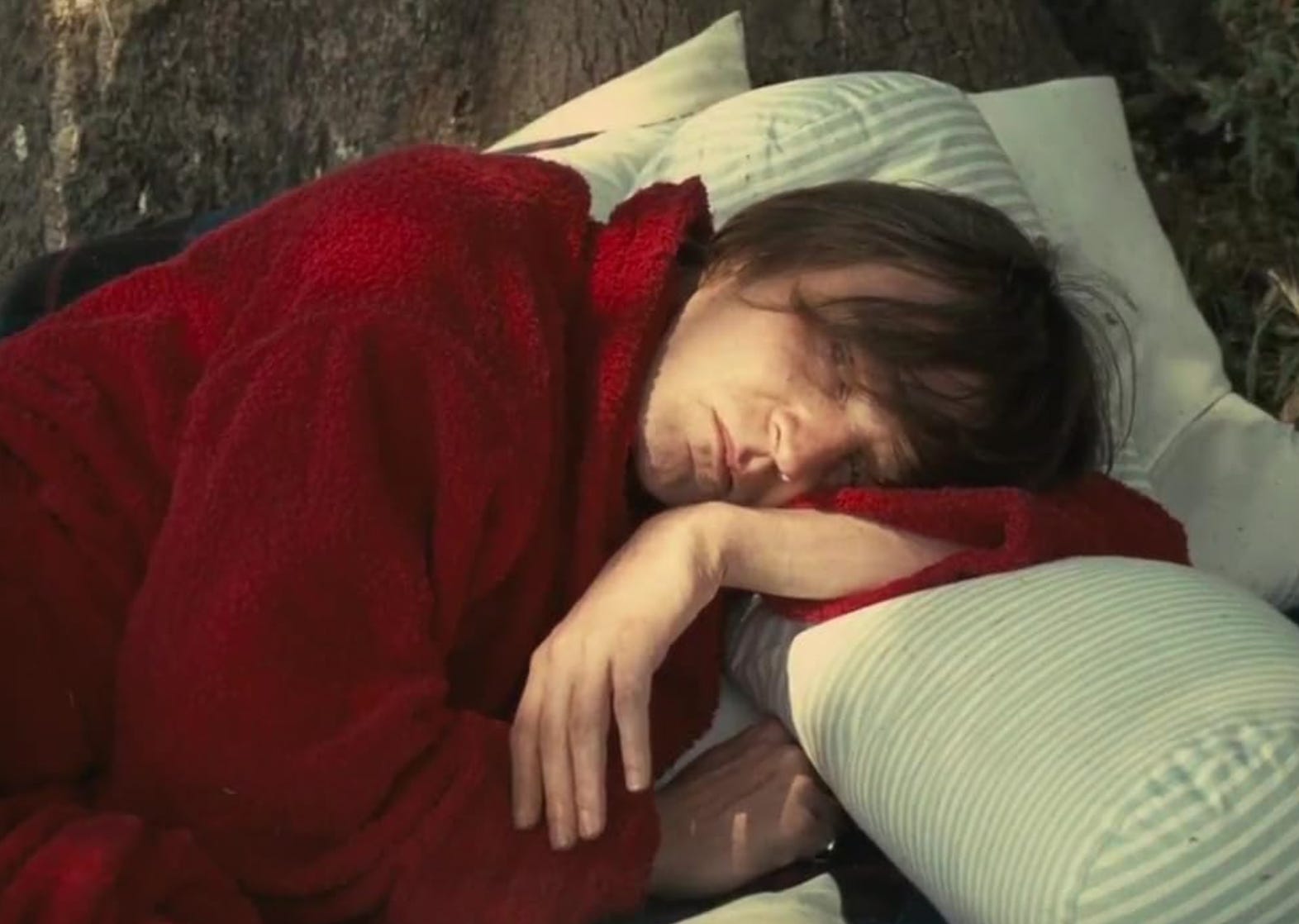
Daniel is a self-obsessed artist and an absolute jerk, consumed by appearance, perception, and maintaining distance from anything that doesn't fit neatly within his elegant world.
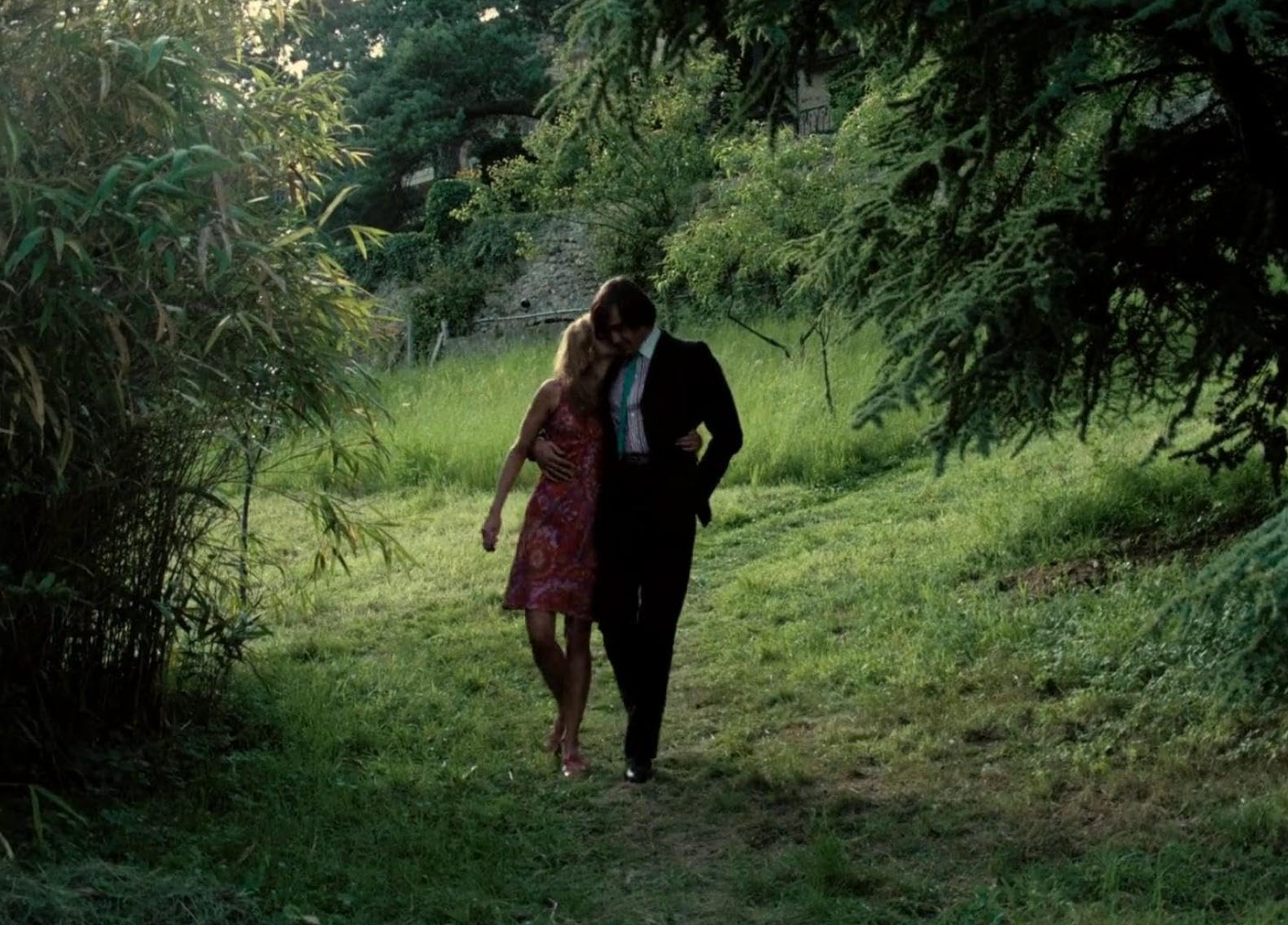
We're introduced to Adrien in conversation with his girlfriend about the importance of beauty over style. It immediately establishes the tone of the film: faux-deep conversations masking remarkably vain moral dilemmas.
Unable to agree on their plans, she leaves for London while Adrien heads to the Côte d'Azur in search of solitude, Chinese antiques, and an idyllic season of doing nothing.
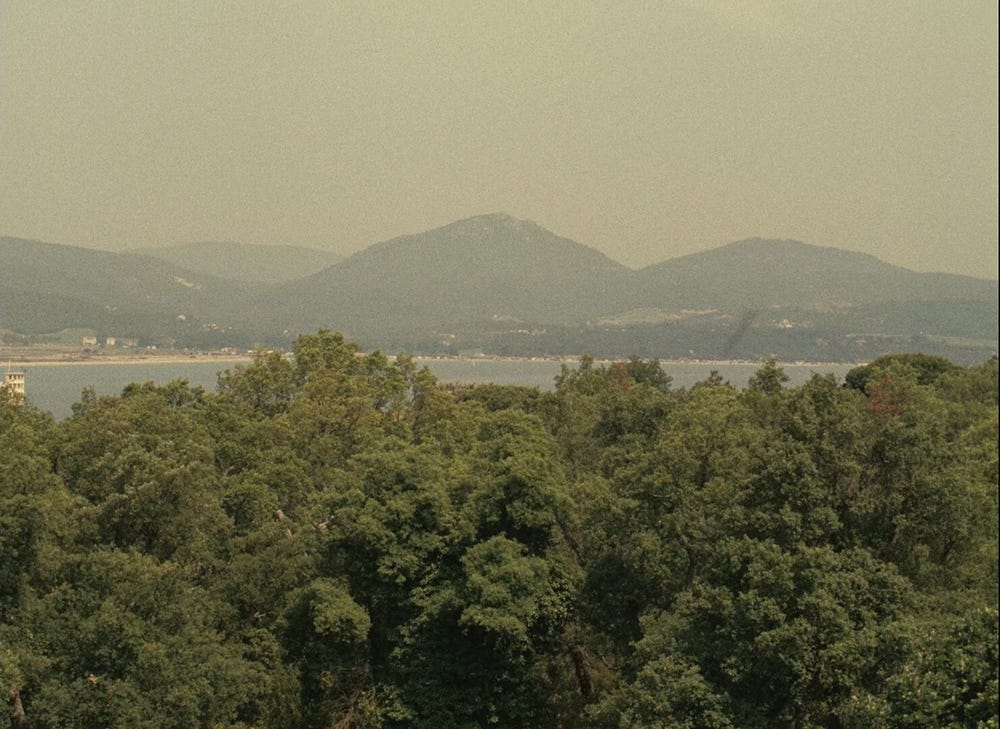
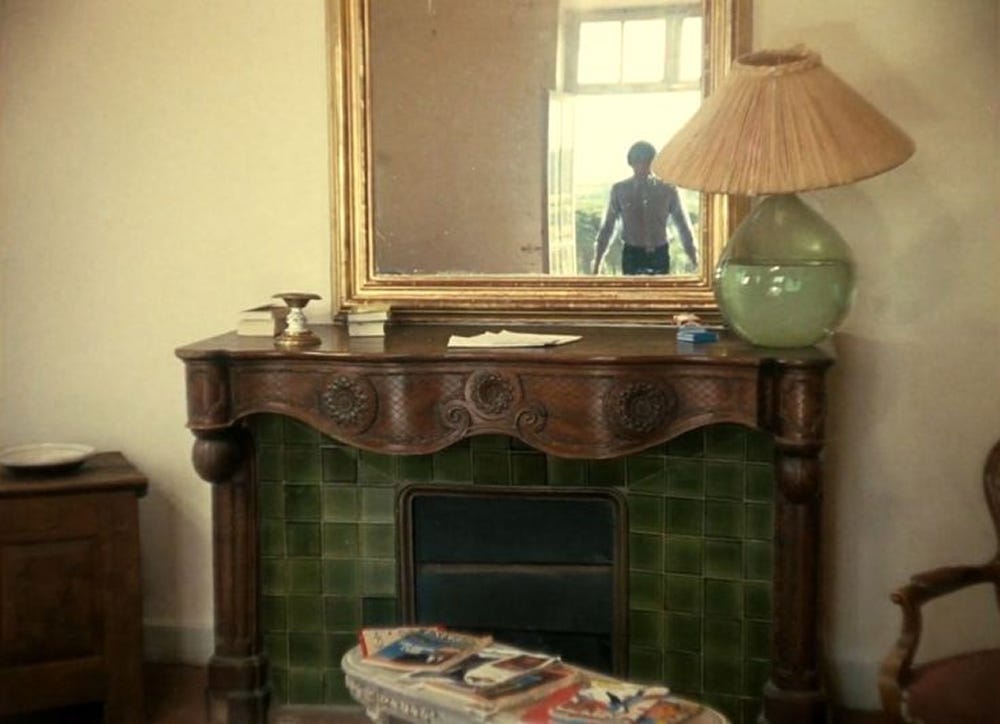
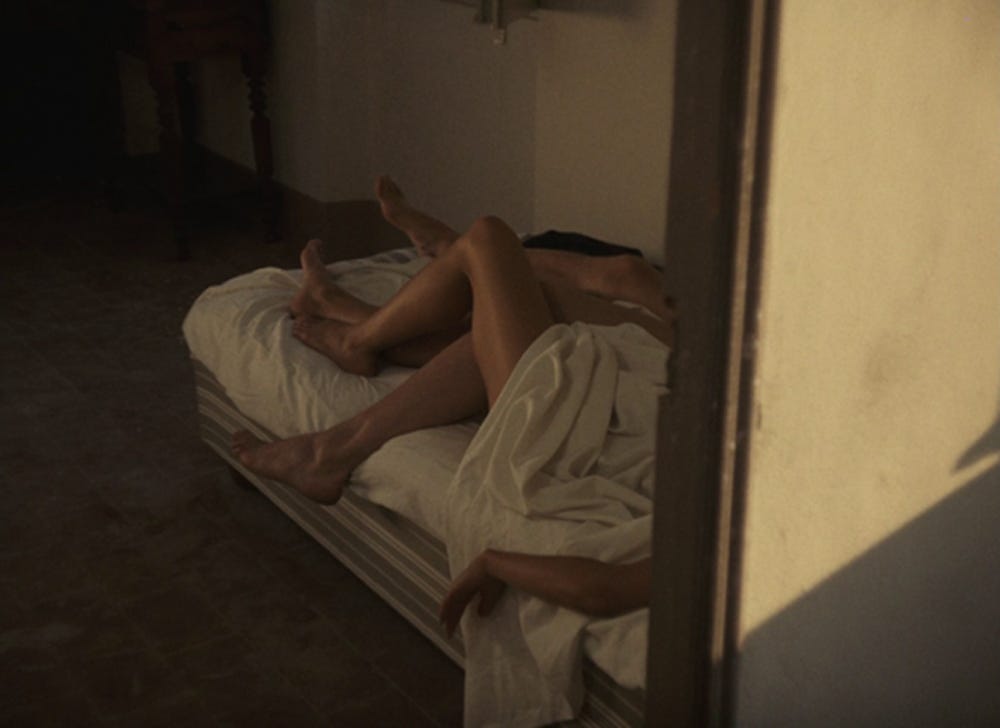
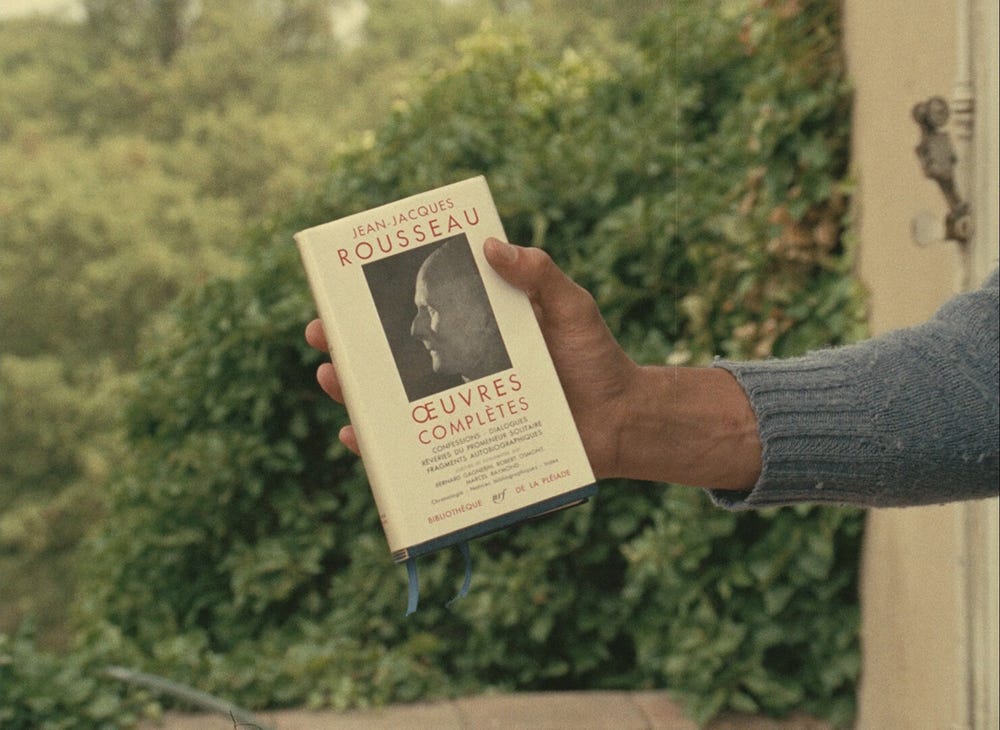
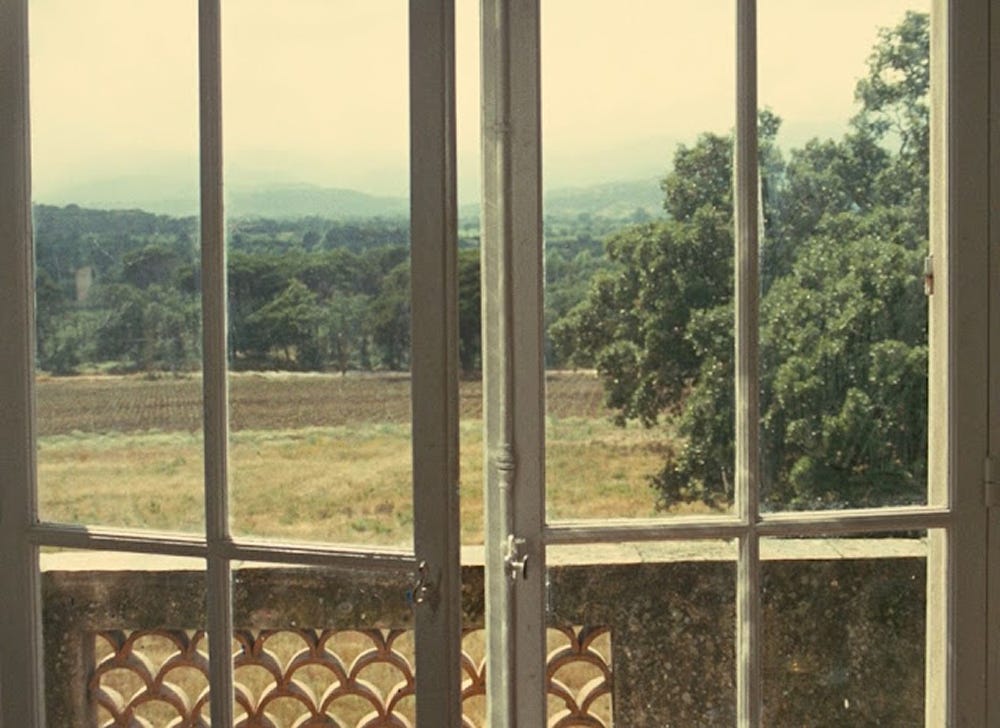
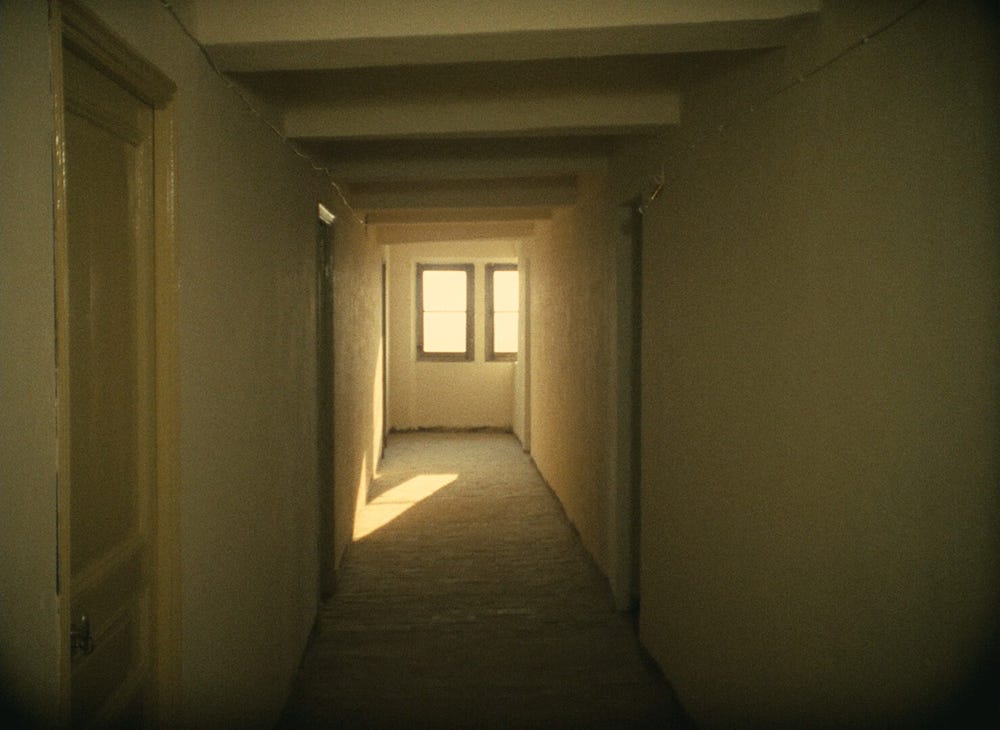
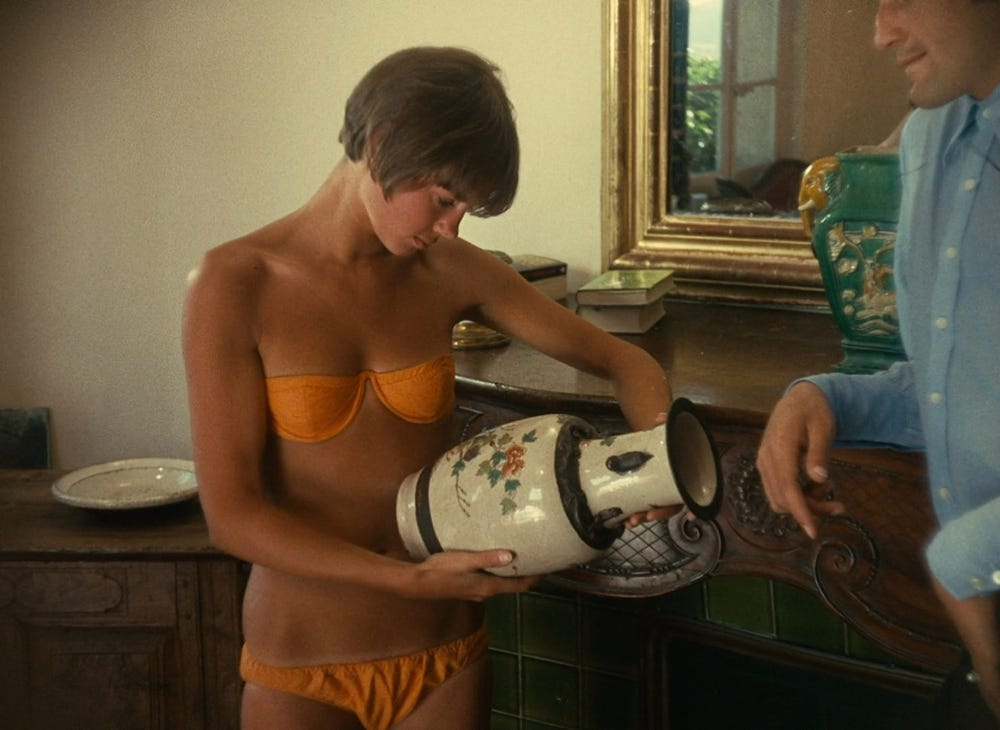
Adrien believes he's above messiness. He arrives in a suit, judging the "disastrous" house room by room before announcing his intention to pursue what he calls "nothingness," defined by an oddly rigid set of rules.
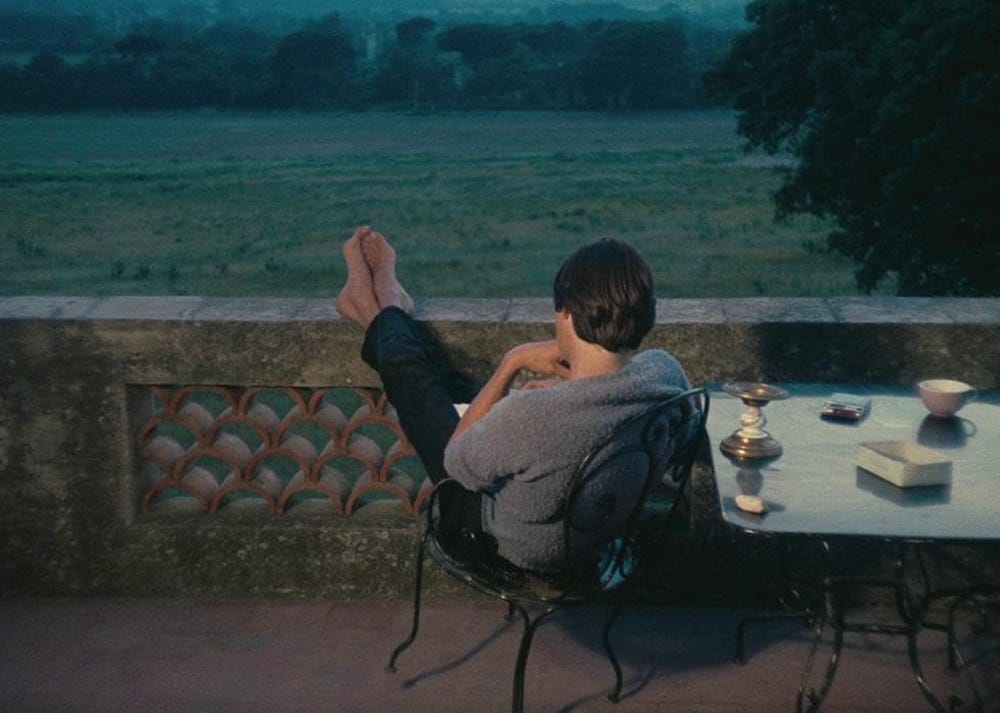
His ideal day consists of early morning swims, reading, long afternoons in the sun, and the occasional flash of brilliance. Lightning strikes, maybe once, maybe twice. He's determined to fulfill his childhood dream of staring blankly at the sea.
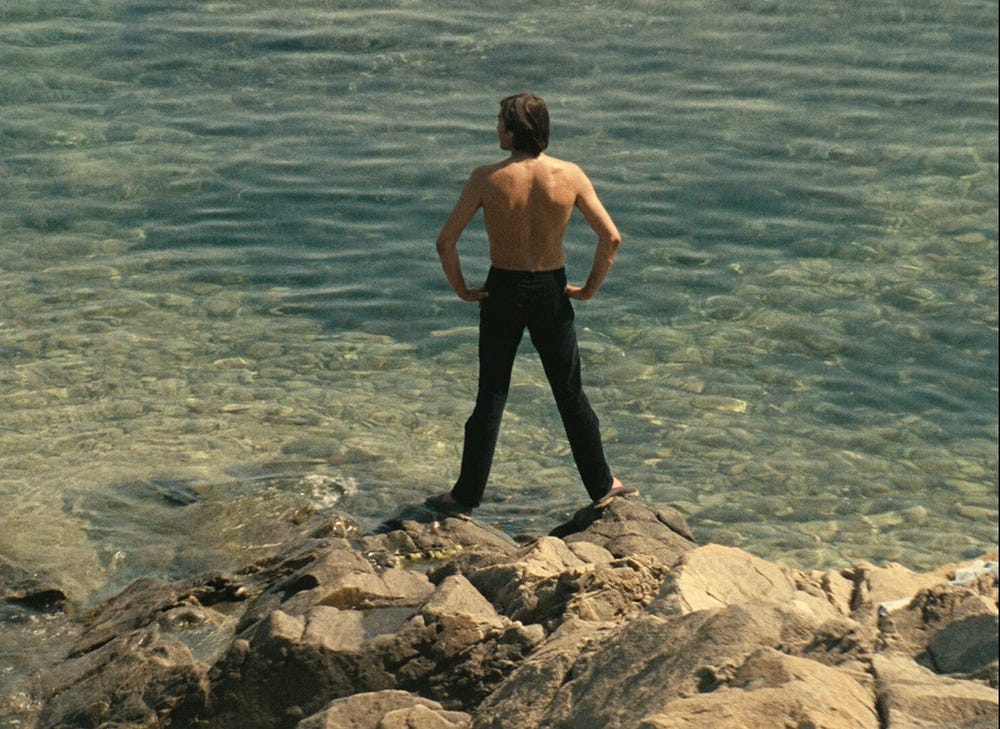
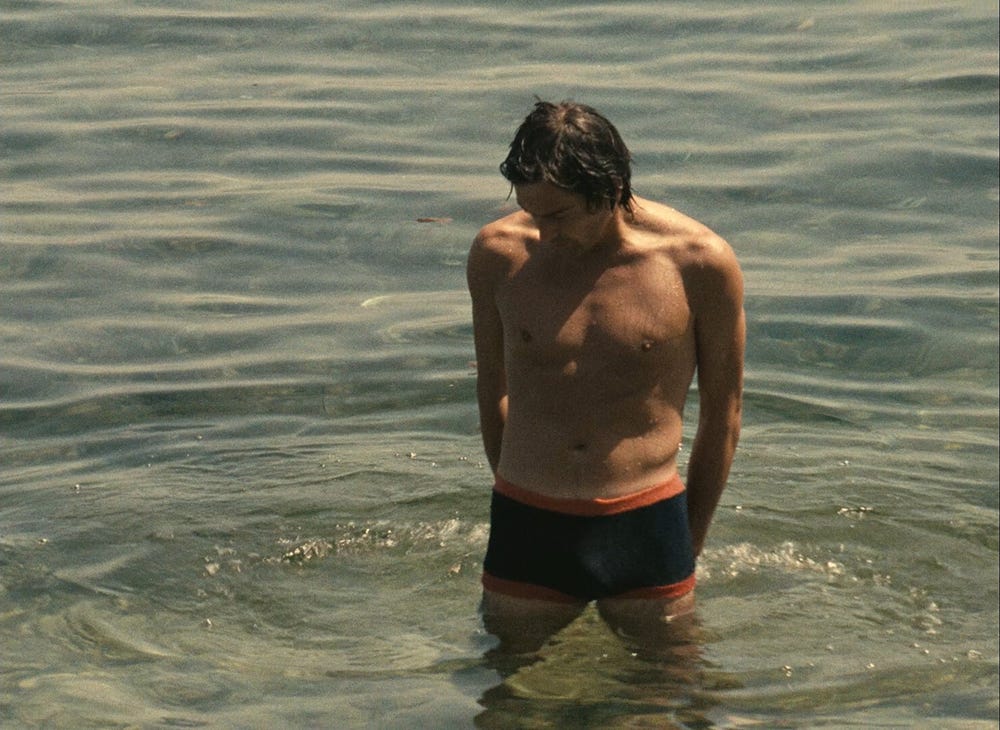

Disturbed by Haydée’s promiscuity, Adrien and Daniel dismiss her as a collectionneuse, a collector of men.
The joke lies in Adrien’s arrogance. He assumes Haydée must be interested in him, as though her life naturally revolves around his own. Meanwhile, she continues living exactly as she pleases while Adrien mistakes his own fixation for moral superiority.
Aesthetic
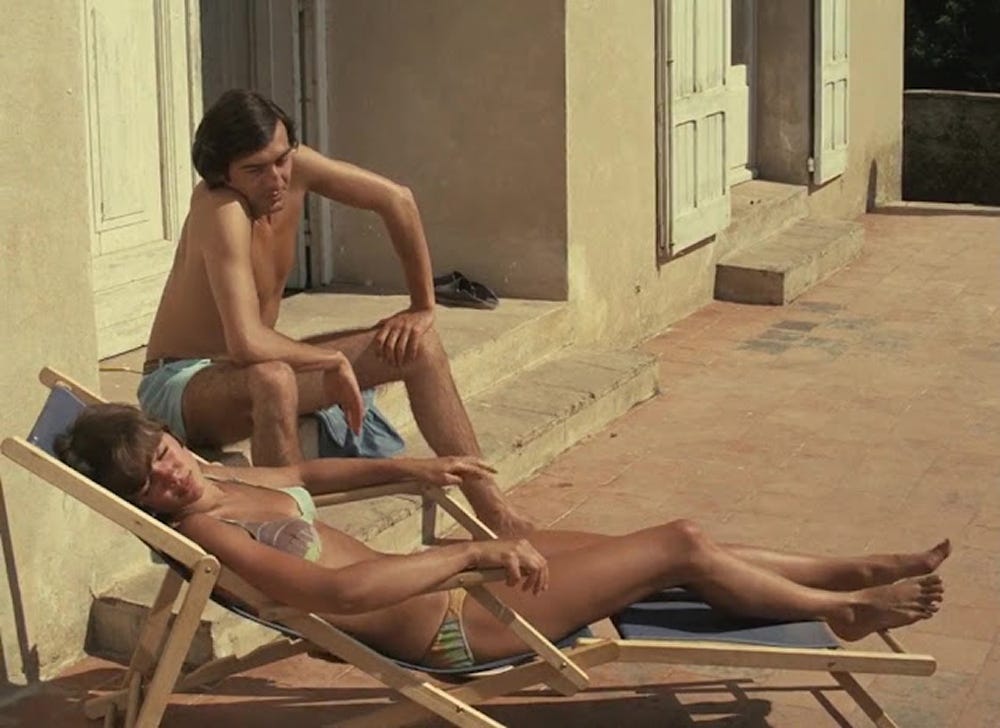
As Éric Rohmer's first color feature, La Collectionneuse embraces the muted, earthy quality of Eastmancolor. Filmed almost entirely in natural light, Rohmer and cinematographer Néstor Almendros replace the postcard Riviera with terracotta, dusty browns, soft olive greens, and faded Mediterranean blues.
Wide-angle compositions and static camera work cast the audience as spectators, watching Haydée from the same detached distance as Adrien and Daniel. The result is a Saint-Tropez escape that feels thick, dry, and inescapably hot.
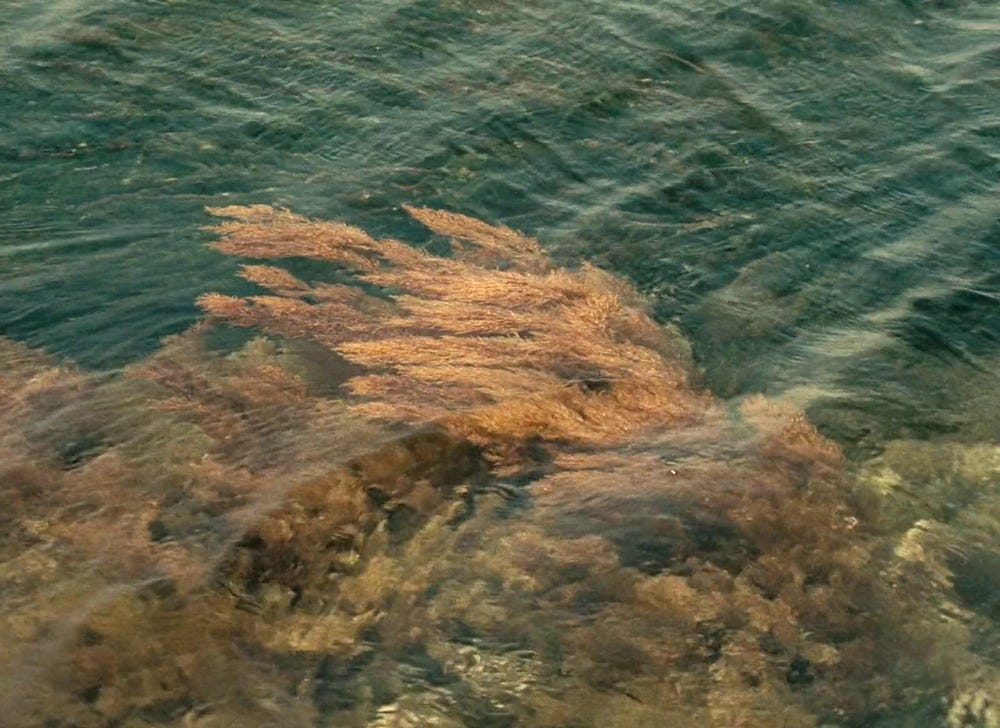
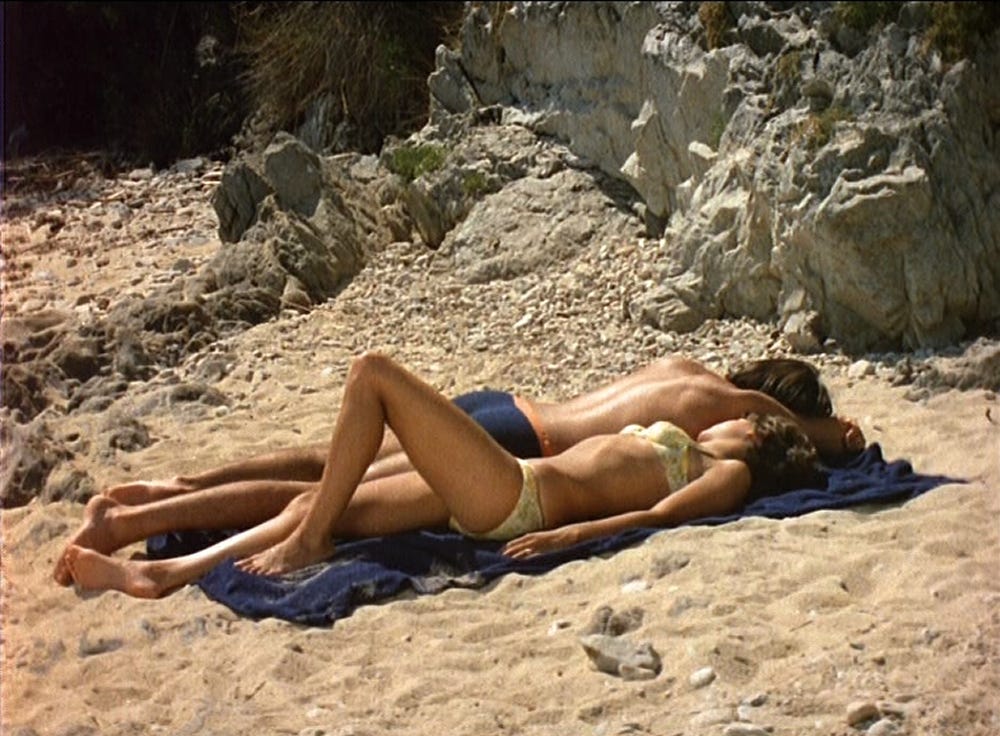
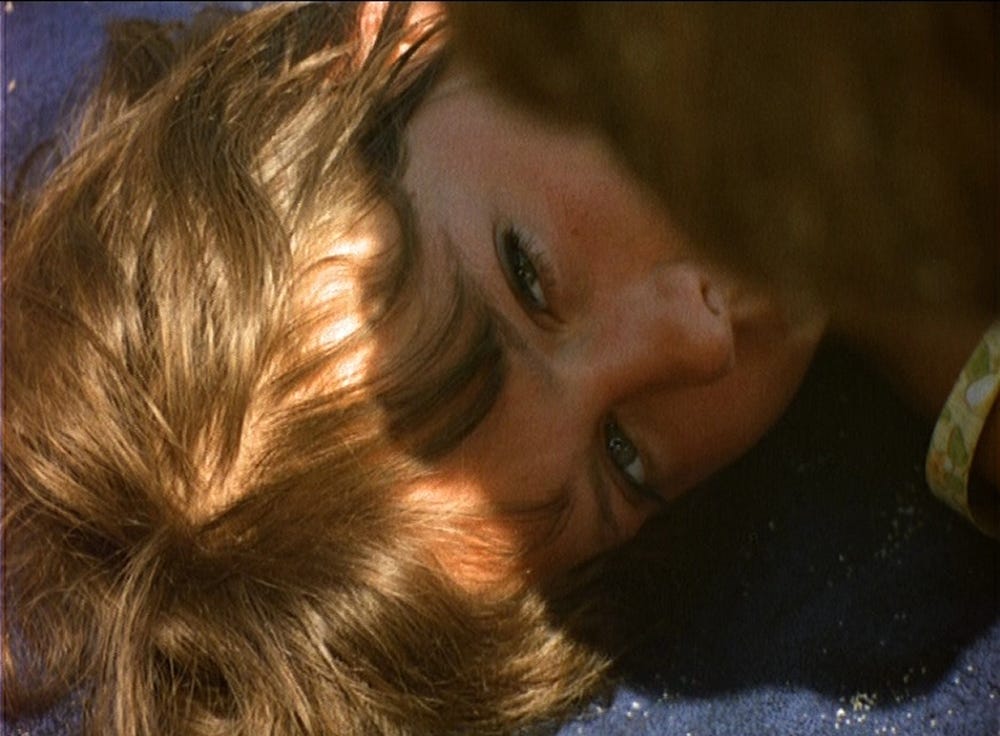
I’ve reblogged and pinned stills from this film for nearly fifteen years before finally watching it. The images of Haydée on the beach practically exist without context.
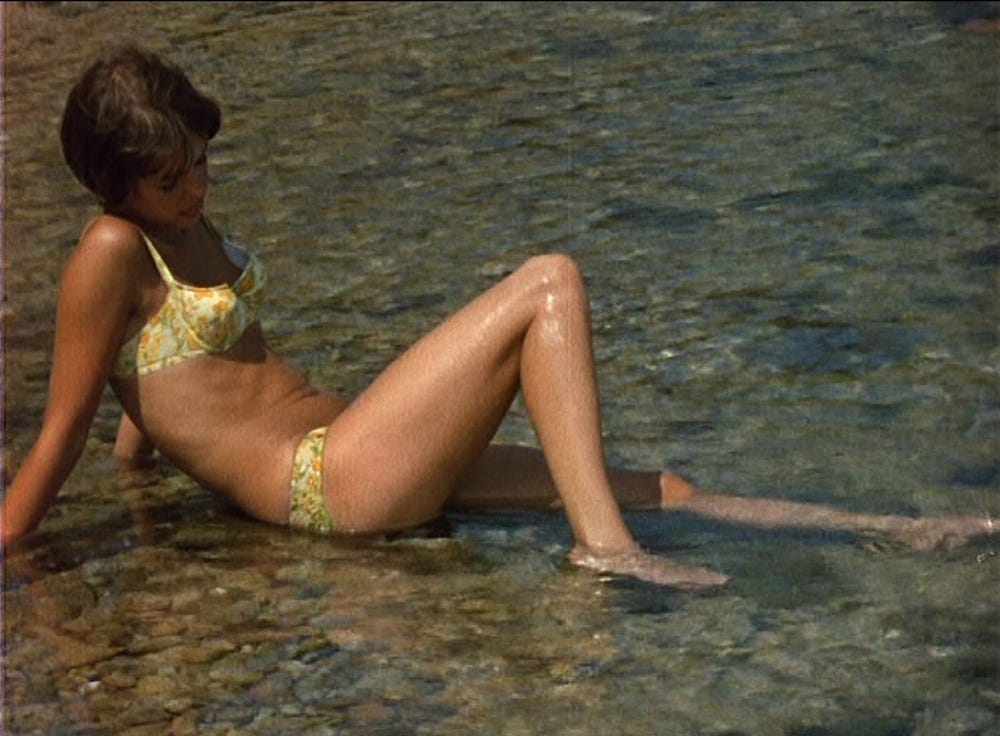
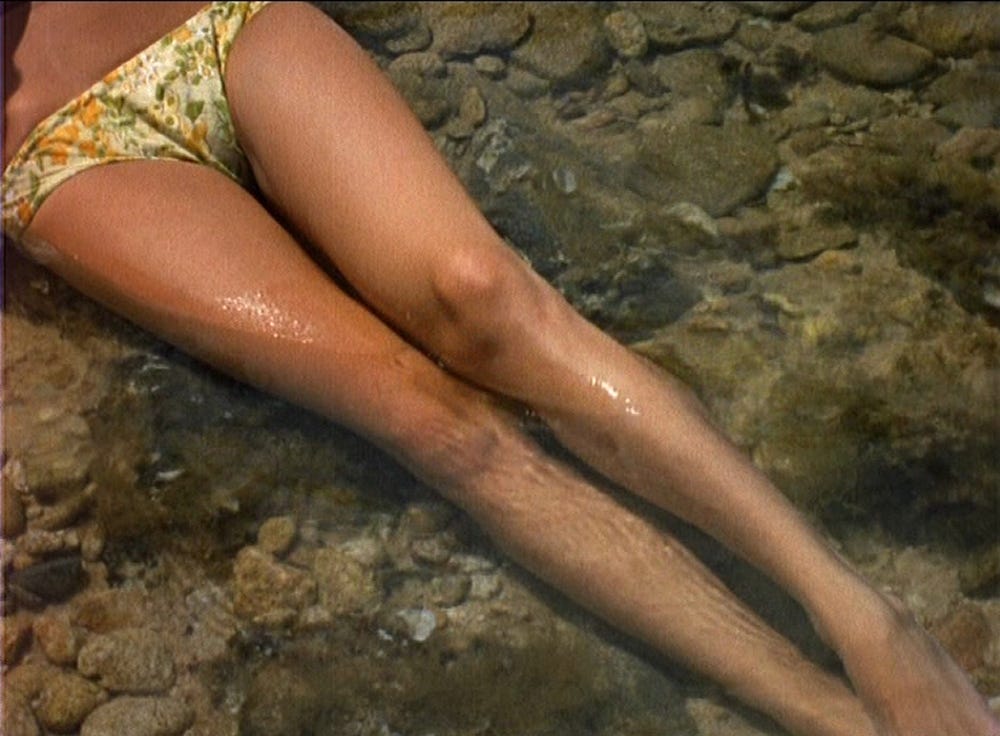
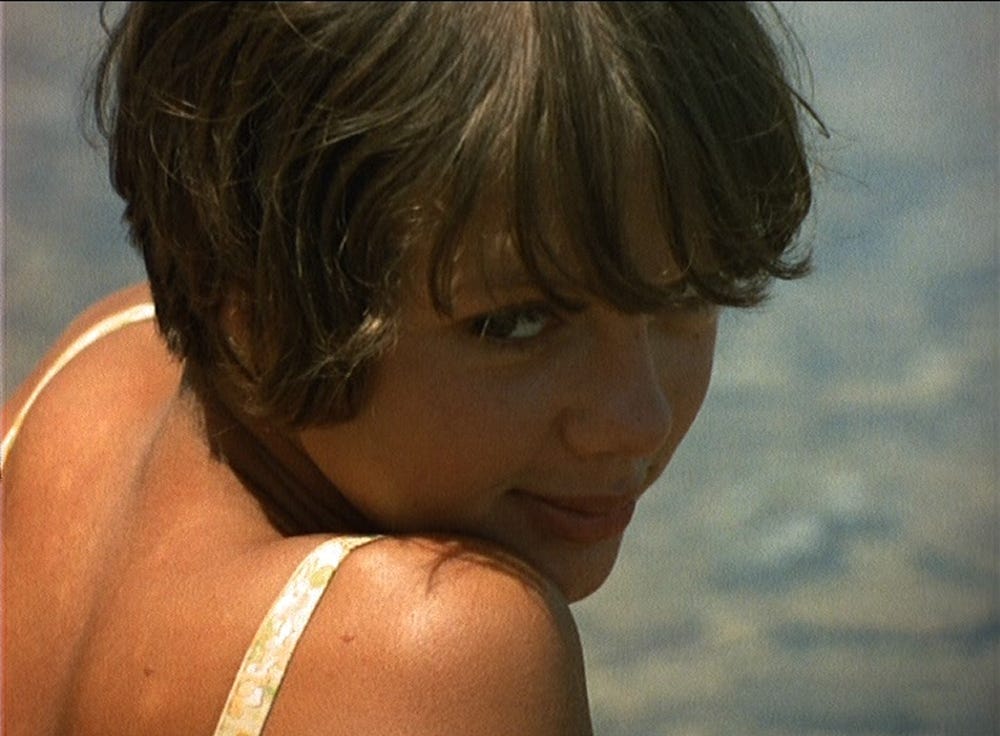
One of the defining elements of La Collectionneuse is its use of sound. I usually talk about a film’s soundtrack, but here there is very little music. Instead, Rohmer builds the atmosphere through the sounds of the world itself: waves breaking against the shore, birds overhead, cicadas buzzing in the heat, footsteps on stone, and the occasional breeze through the trees. It’s those environmental sounds that make the film feel so immersive, as if you’re also at the villa alongside the characters.
Wardrobe
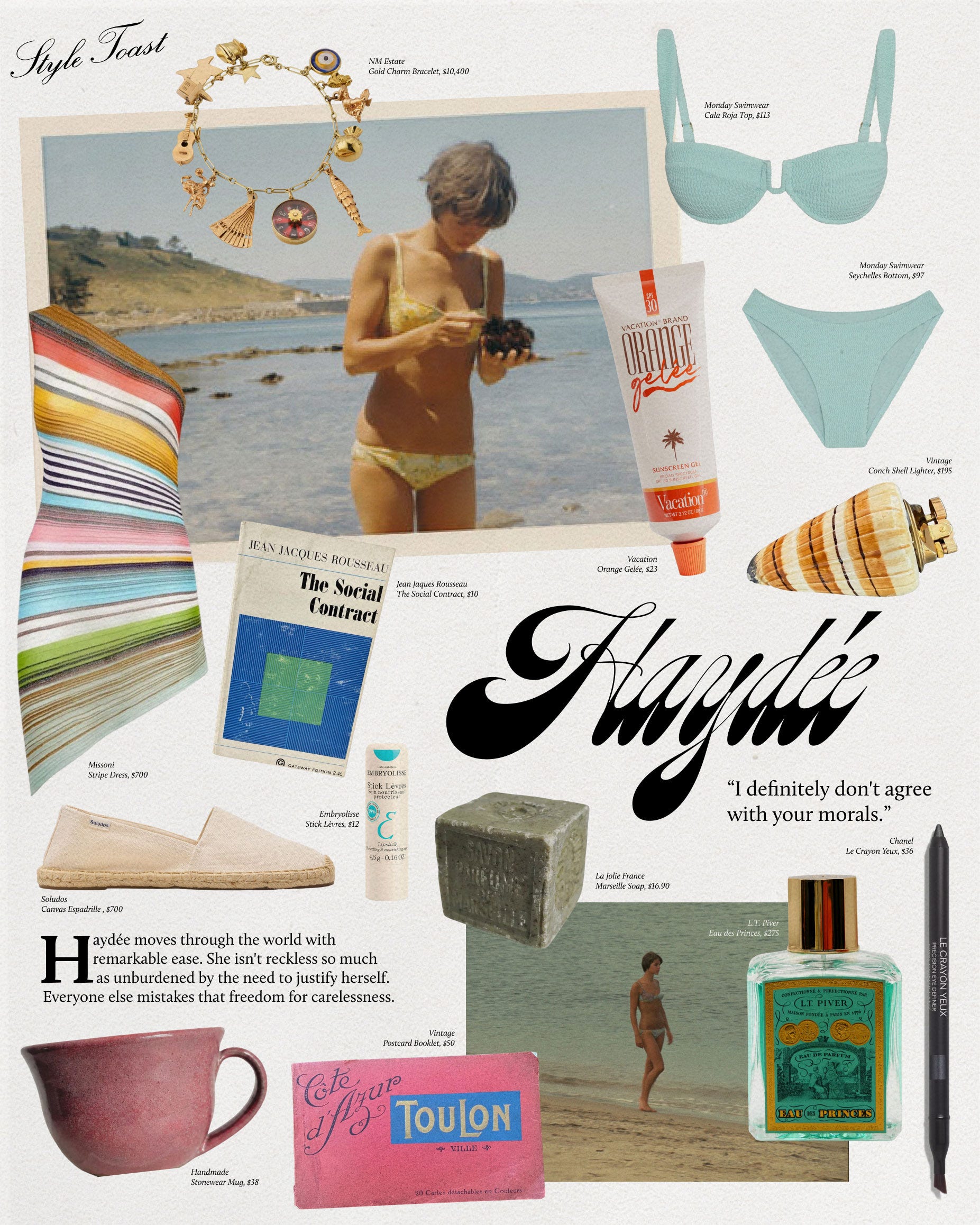
Though the oxfords, knit polos, beach-worn jeans, and women’s linen kaftans on Adrien and Daniel deserve their own essay, I'm going to focus on Haydée's wardrobe.
Haydée isn't presented as an untouchable ideal. Rohmer lets her exist as a real person. Her bikini never sits perfectly. Her tan isn't even. She's often caught mid-step, mid-sentence, or completely unaware of the camera. That naturalism is what makes both her style and the film feel so enduring.
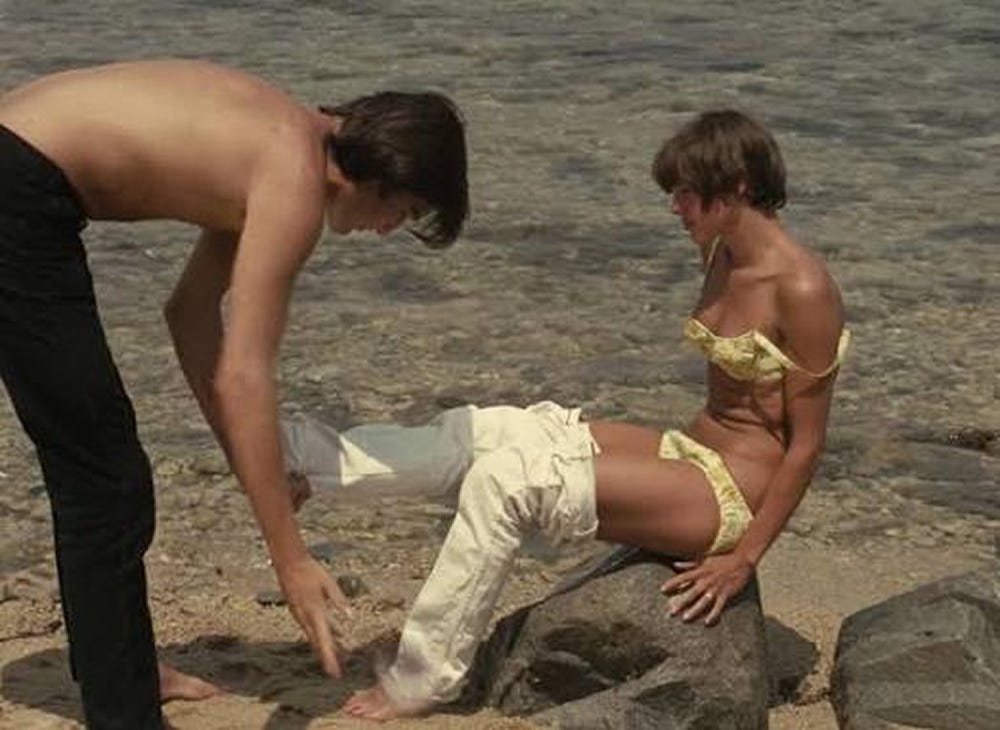
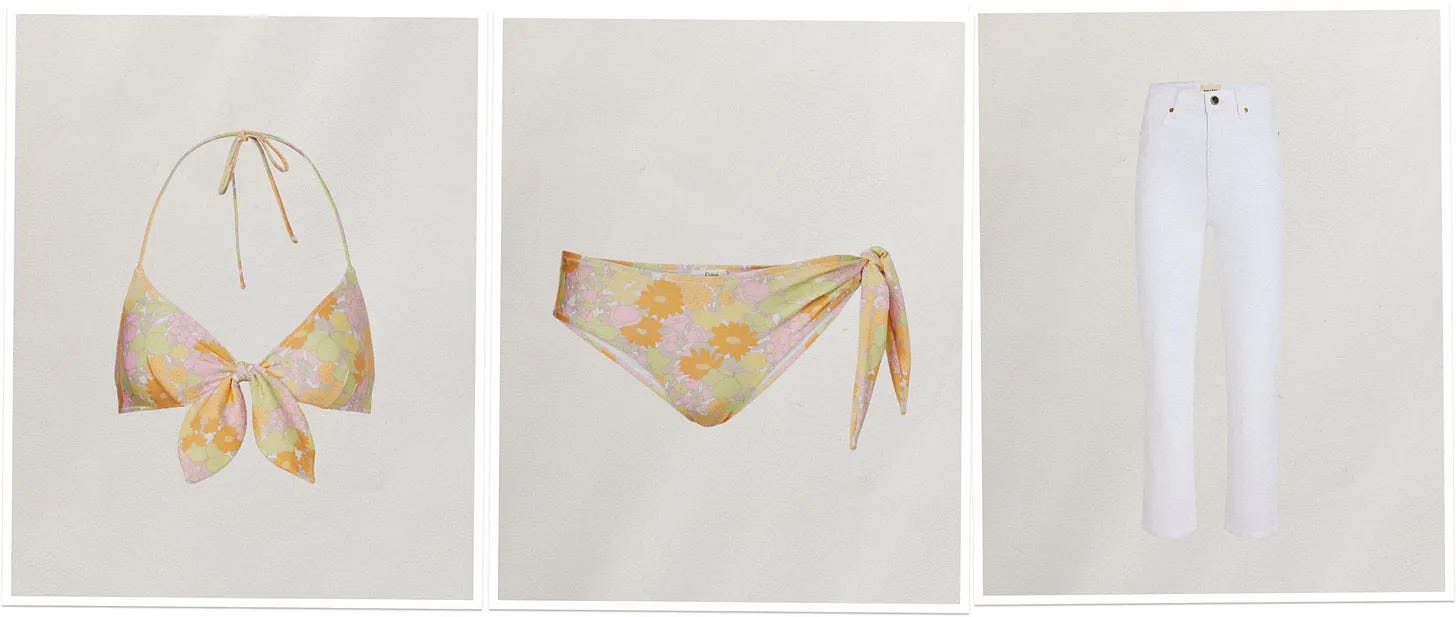
This scene is so evocative. Adrien and Haydée go to the beach, both wearing jeans for reasons I’ll never understand. Adrien unzips and removes her jeans, a gesture that’s both playful and patronizing. Haydée plays along until things go sour, and we begin to understand more about her relationship with Daniel.
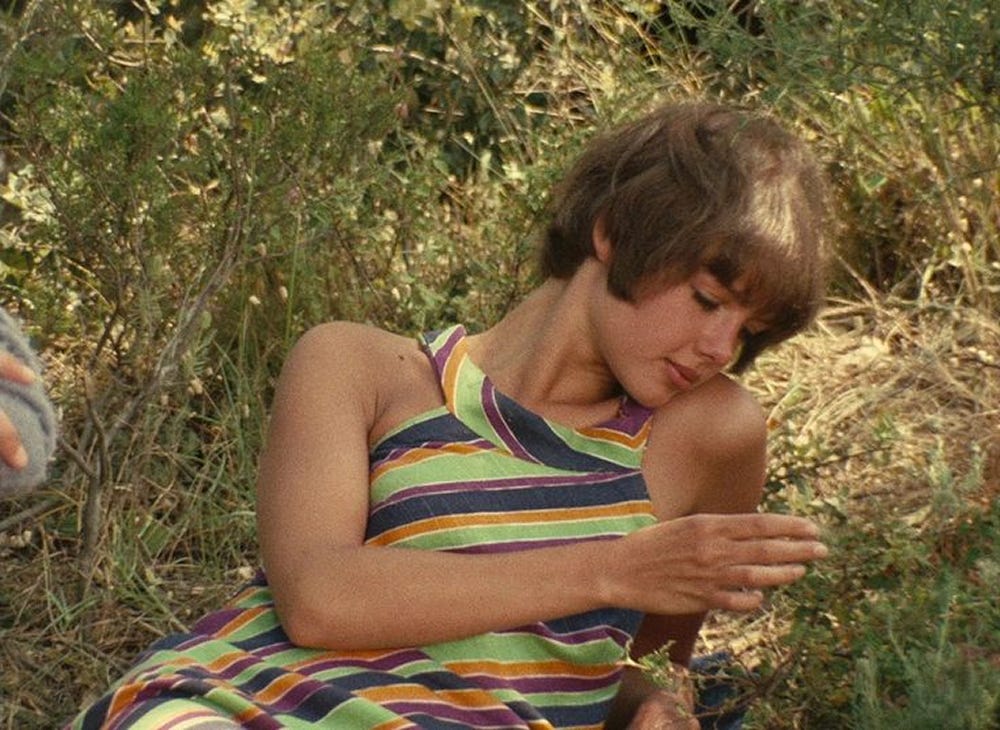
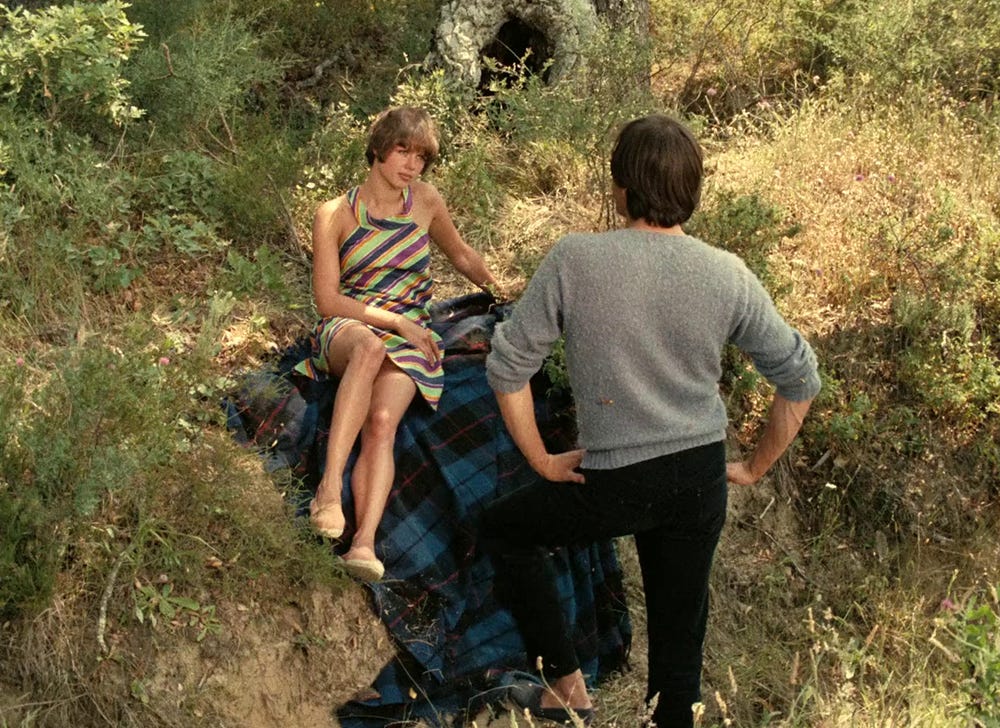
Haydée's clothes feel intuitive. Her wardrobe reflects a woman who dresses for herself, with an ease and spontaneity that mirrors her character.
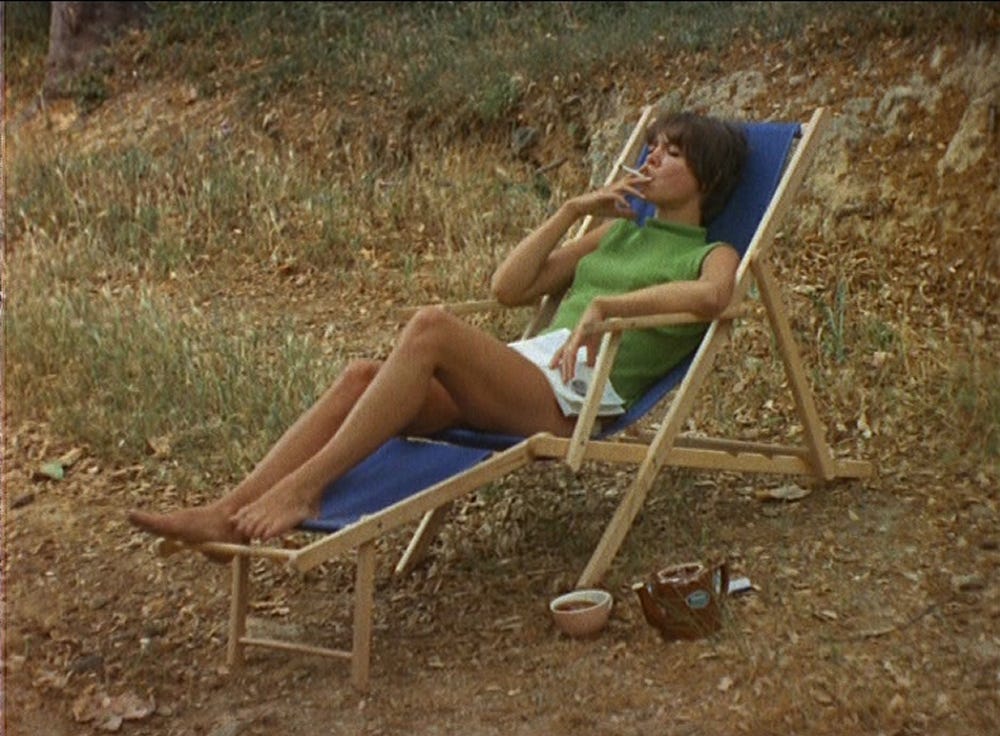
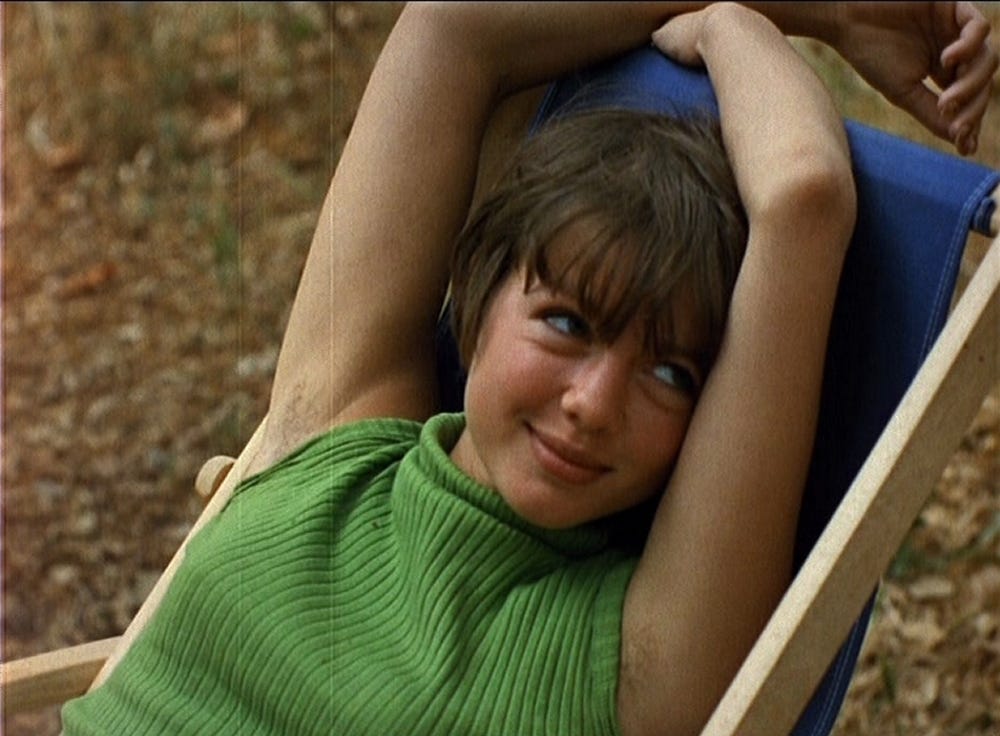
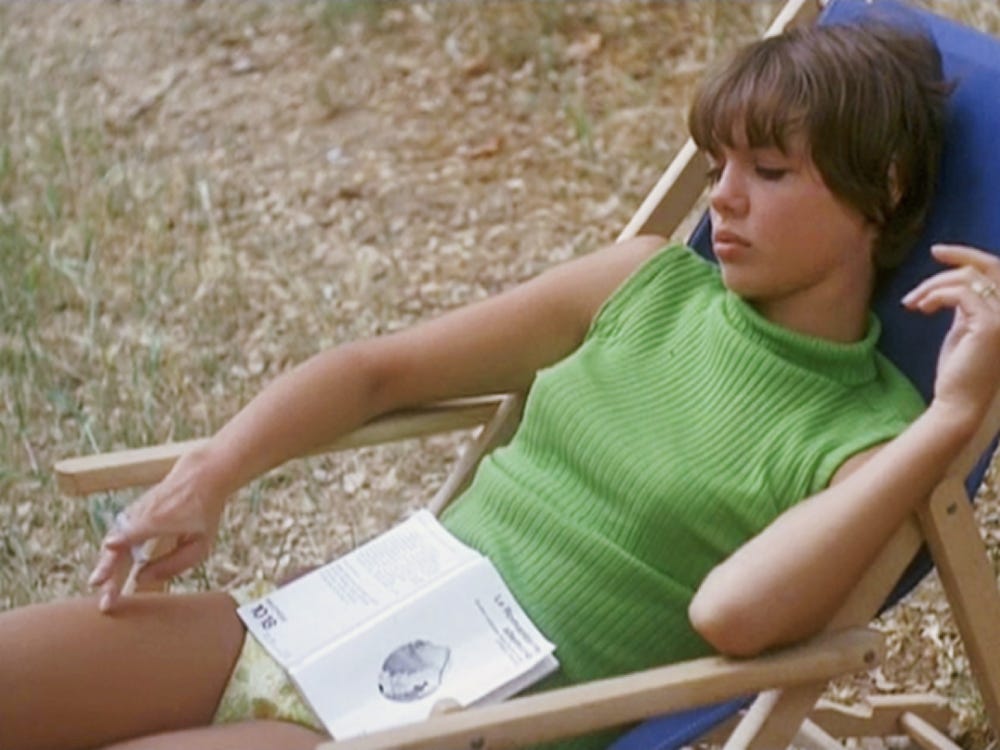
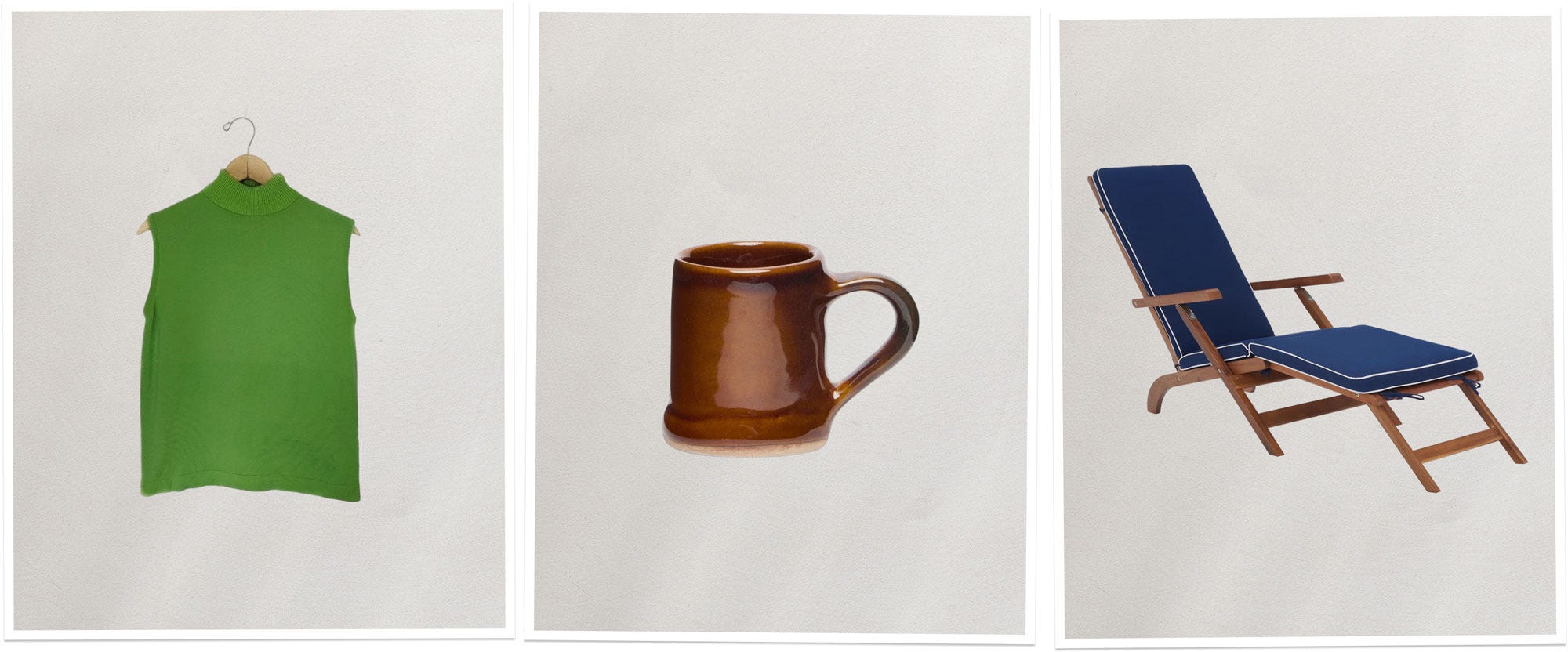
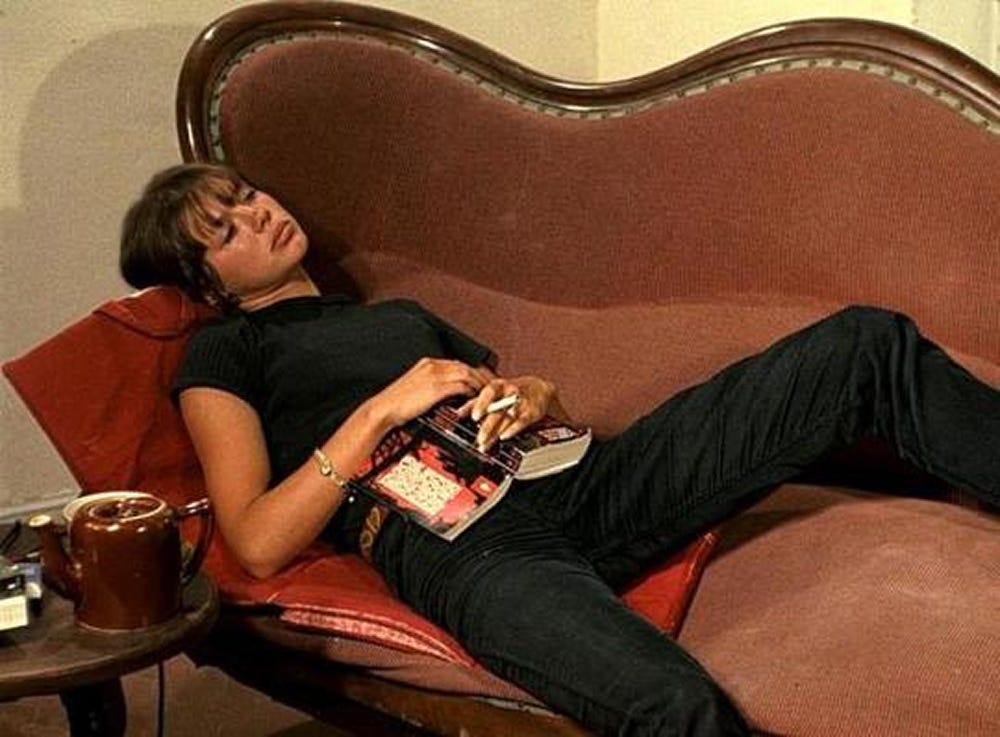
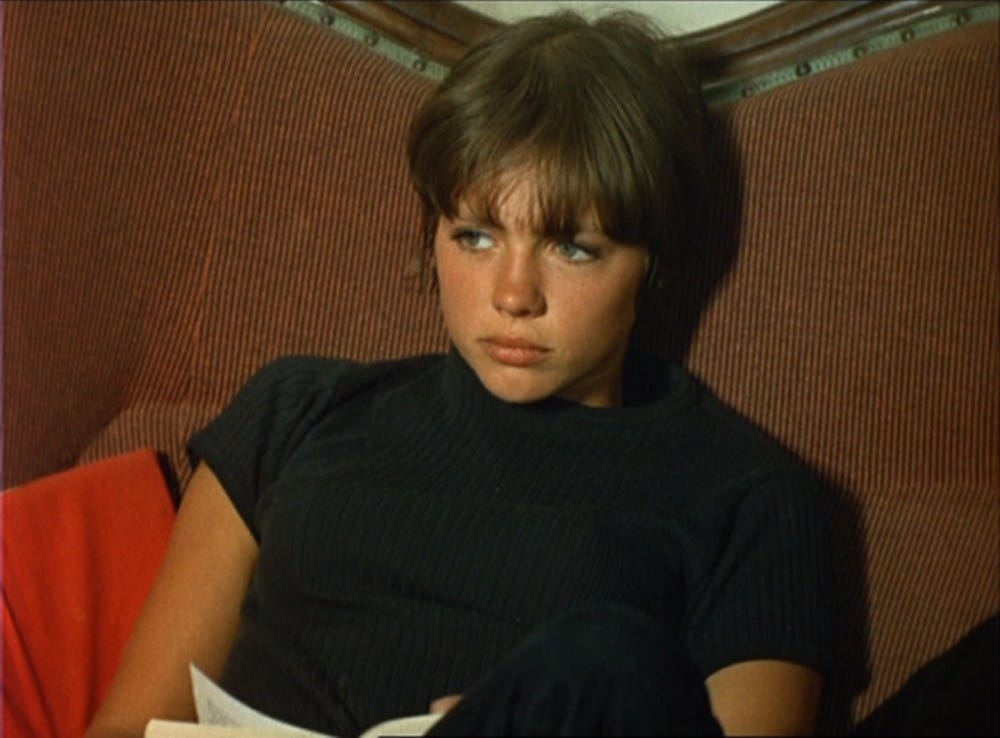
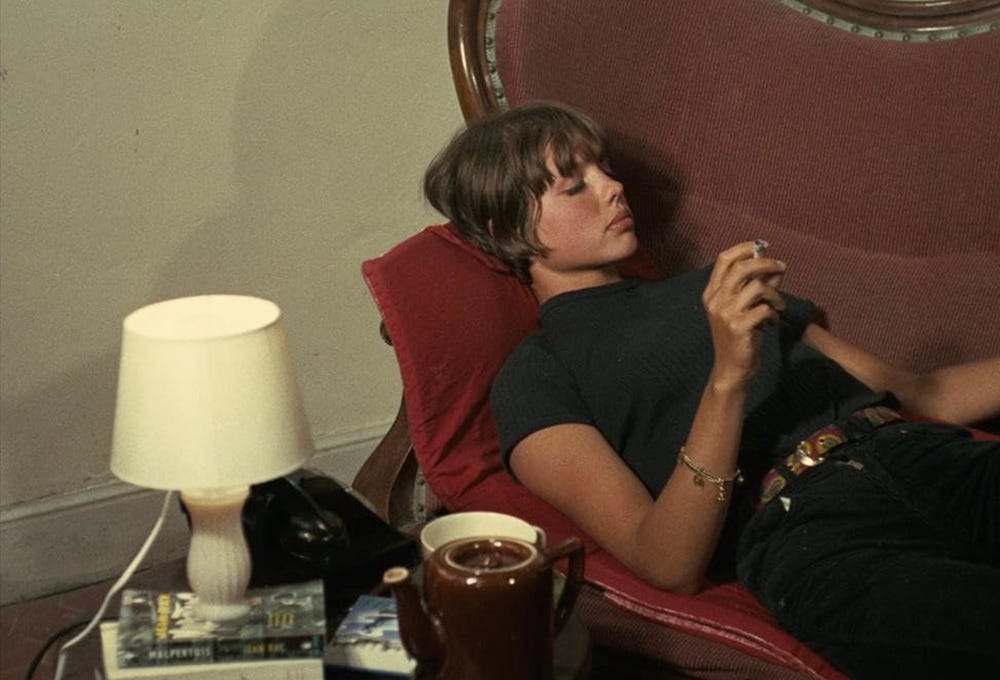
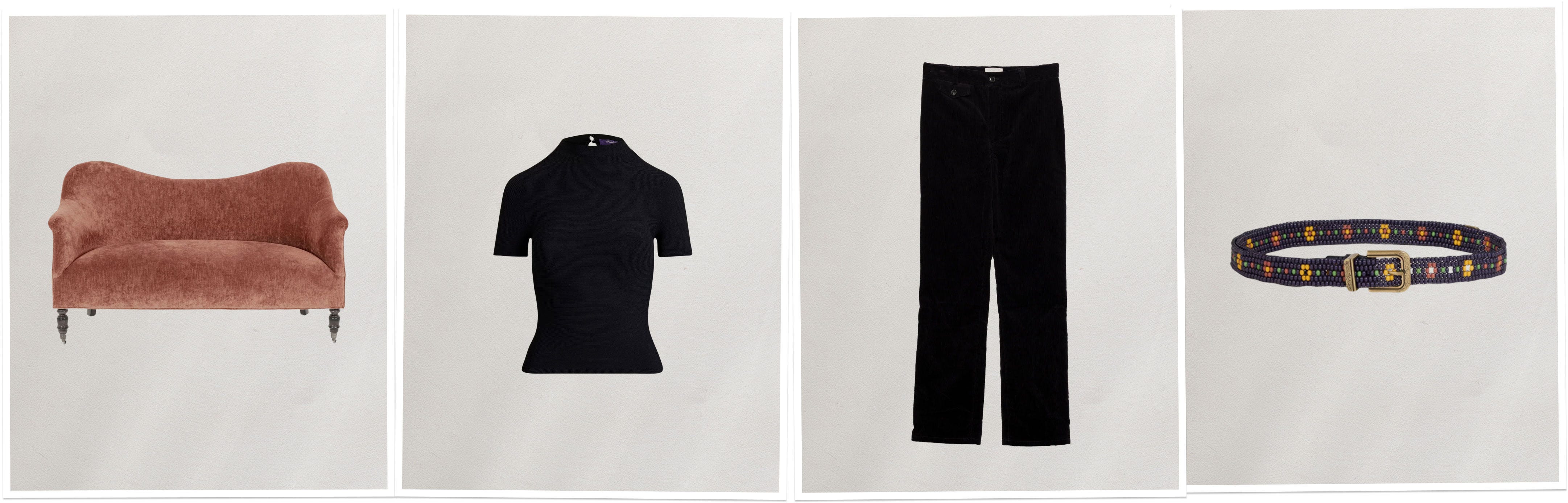
One of my favorite outfits, but one of my least favorite scenes. Daniel turns on Haydée, calling her "the worst kind of beautiful." It's a pivotal moment in the film. As Daniel rejects her, Adrien mistakes her vulnerability for an opportunity, believing he can finally have the relationship he's been imagining.
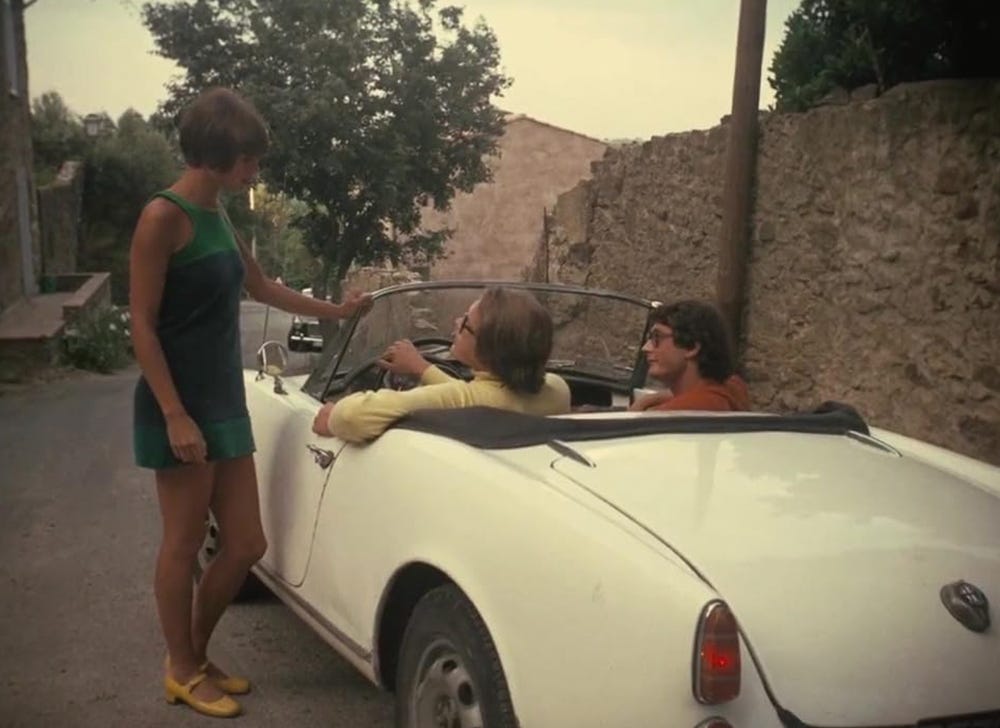
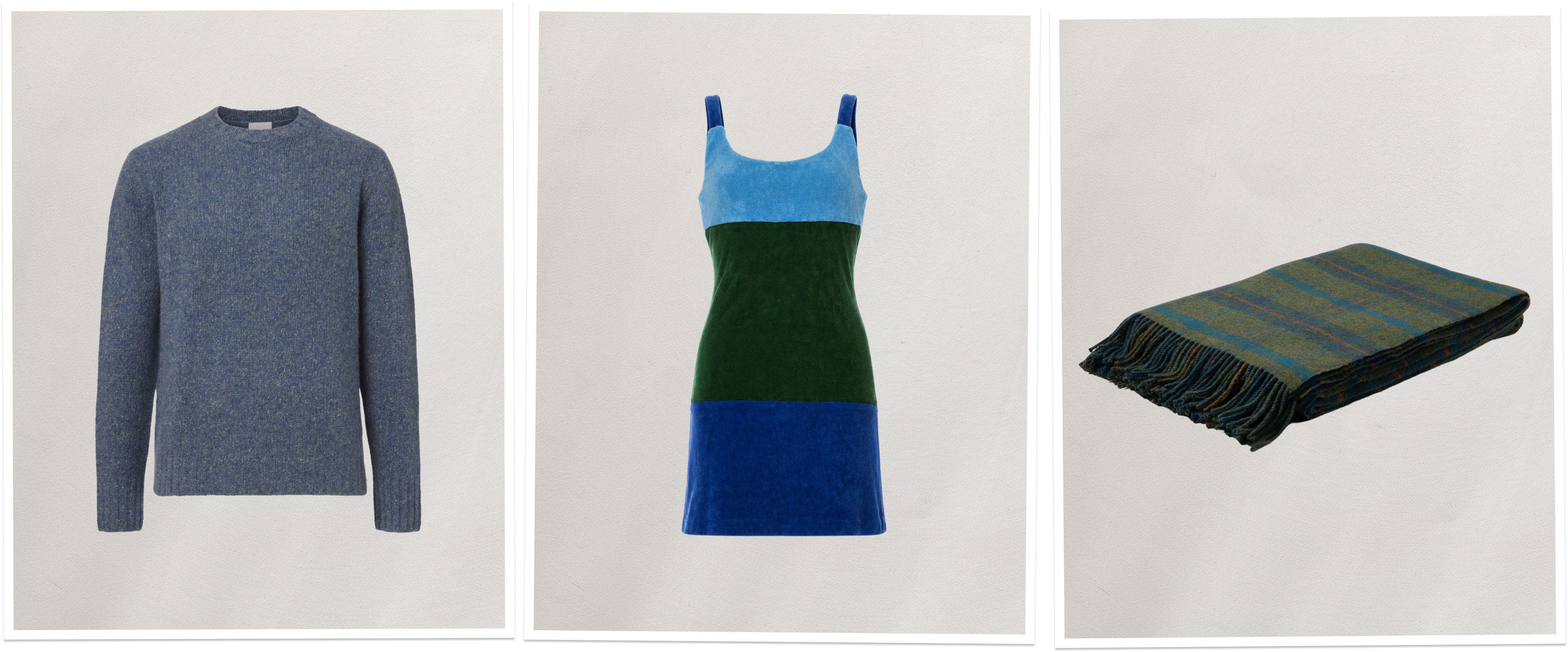
Just as they’re about to ride off into the sunset, Haydée leaves Adrien hanging, casually abandoning him for a group of men her own age headed to a party. It’s the moment Adrien finally realizes that she was never playing by the rules he had imagined for her. Defeated, he gives up the fantasy and returns to London to reunite with his girlfriend.
Until next time.
Stay toasted, xx.

What’s Playing

We’re leaving the Riviera for Hollywood. The next Melodrama select is Mulholland Drive by David Lynch. Who are we when no one is watching? And who do we become when we’re chasing a dream?